
The Importance of a Solid Roof Deck for Massachusetts Weather
- A solid roof deck forms the foundation of your roofing system, supporting all protective layers and ensuring structural integrity against harsh weather.
- Massachusetts experiences heavy snow, ice dams, high winds, and humidity, making a strong deck essential to prevent sagging, leaks, and collapses.
- GAF's Lifetime Roofing System includes six key layers that work together, but their effectiveness depends on a stable, moisture-resistant deck.
- Key stats highlight risks: Roofs can handle up to 65 lbs/sq ft, but wet snow (12-18 lbs/cubic ft) can exceed safe loads quickly, leading to incidents like the 110+ collapses in Boston during 2015's Snowmageddon.
- Master Roof offers expert inspections and installations using GAF materials to protect your home year-round.
Understanding the Layers of a GAF Roofing System
GAF, a leading roofing manufacturer, describes a complete roofing system as a multi-layered defense against the elements. This system ensures comprehensive protection, starting from the base and building up to the visible shingles, all relying on a solid roof deck for optimal performance.
Leak Barrier
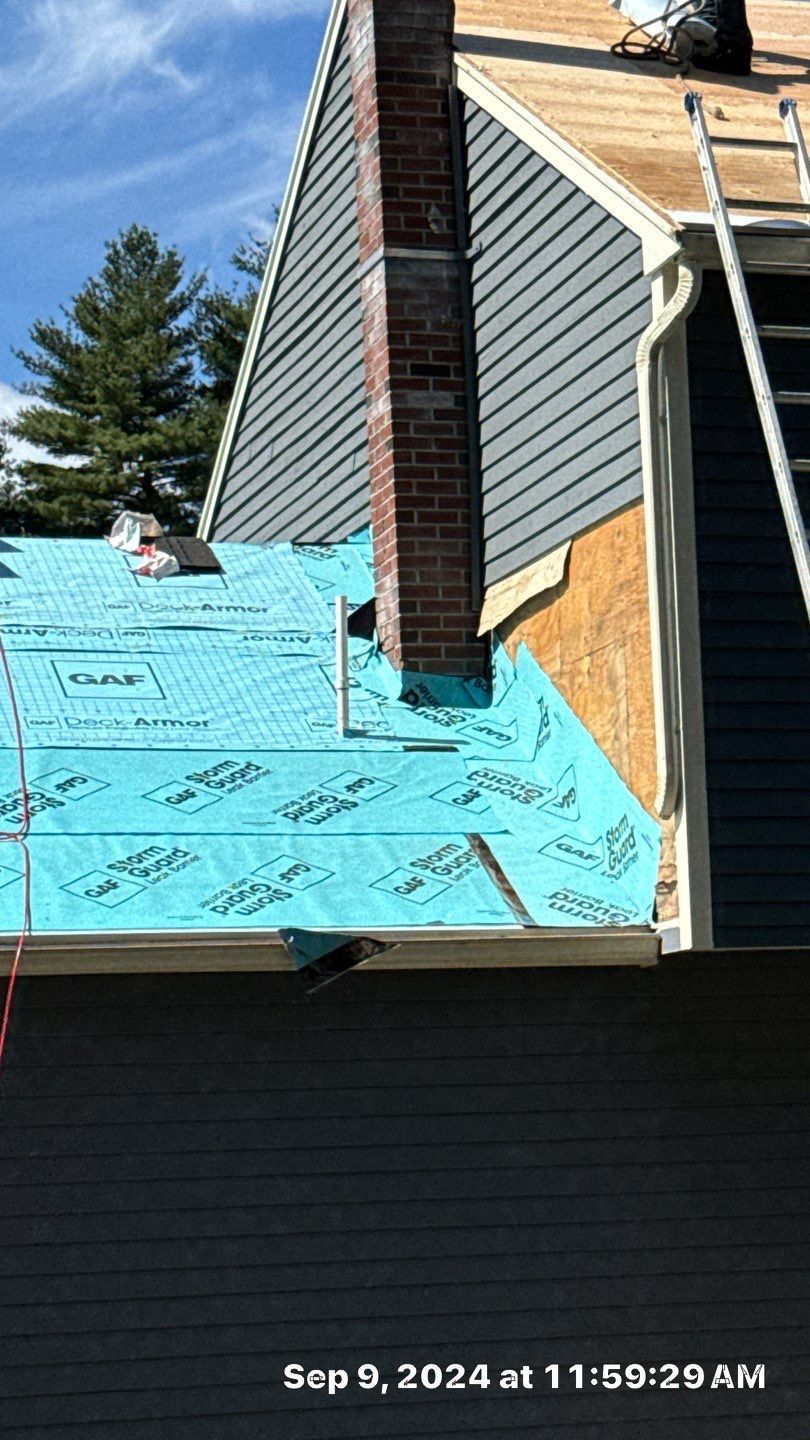
This self-adhering membrane is applied to critical areas like valleys and eaves to prevent leaks from ice dams and wind-driven rain, common in Massachusetts winters.
Roof Deck Protection
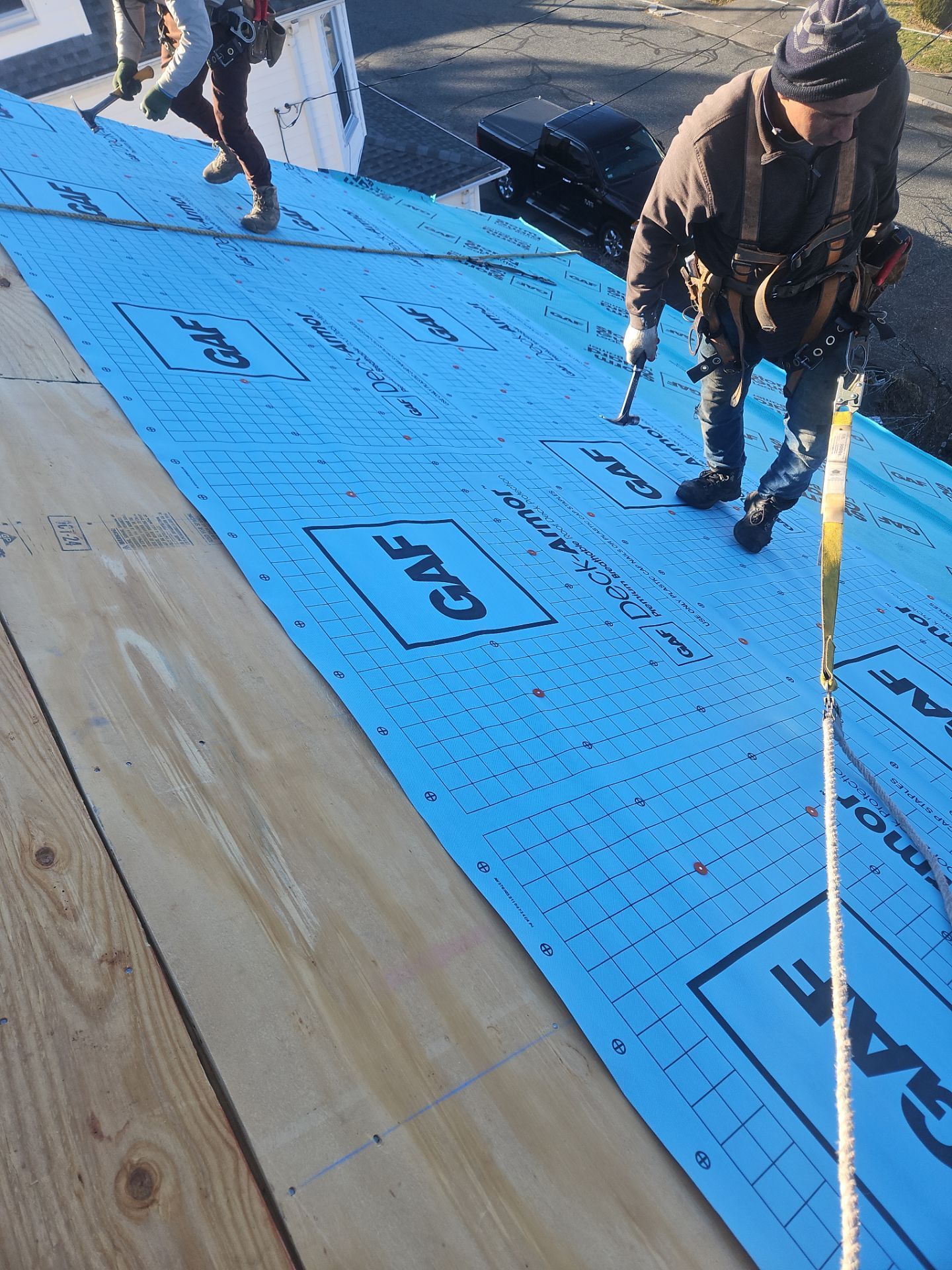
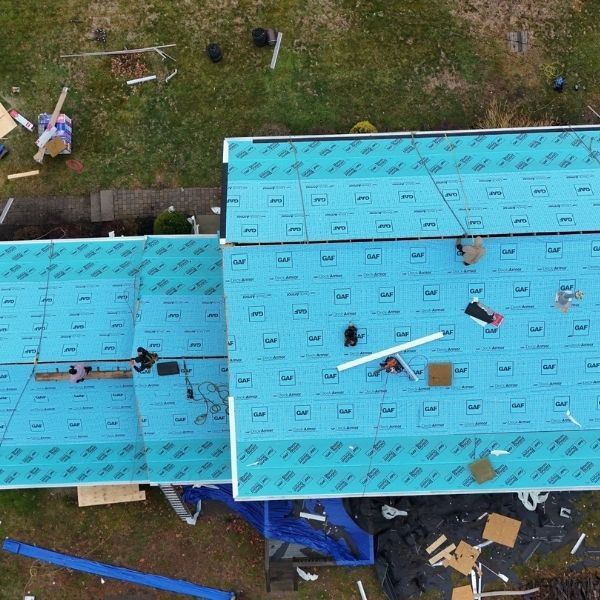
Known as underlayment, this layer covers the deck to guard against moisture. GAF recommends synthetic options for superior water resistance, keeping the underlying structure dry.
Starter Strip Shingles
These are placed along the roof's edges to provide a secure foundation for the main shingles, incorporating adhesives that enhance wind resistance.
Asphalt Shingles
The primary waterproofing layer, such as GAF's Timberline HDZ, offers durability and aesthetic appeal with features like LayerLock for better adhesion.
Ridge Cap Shingles
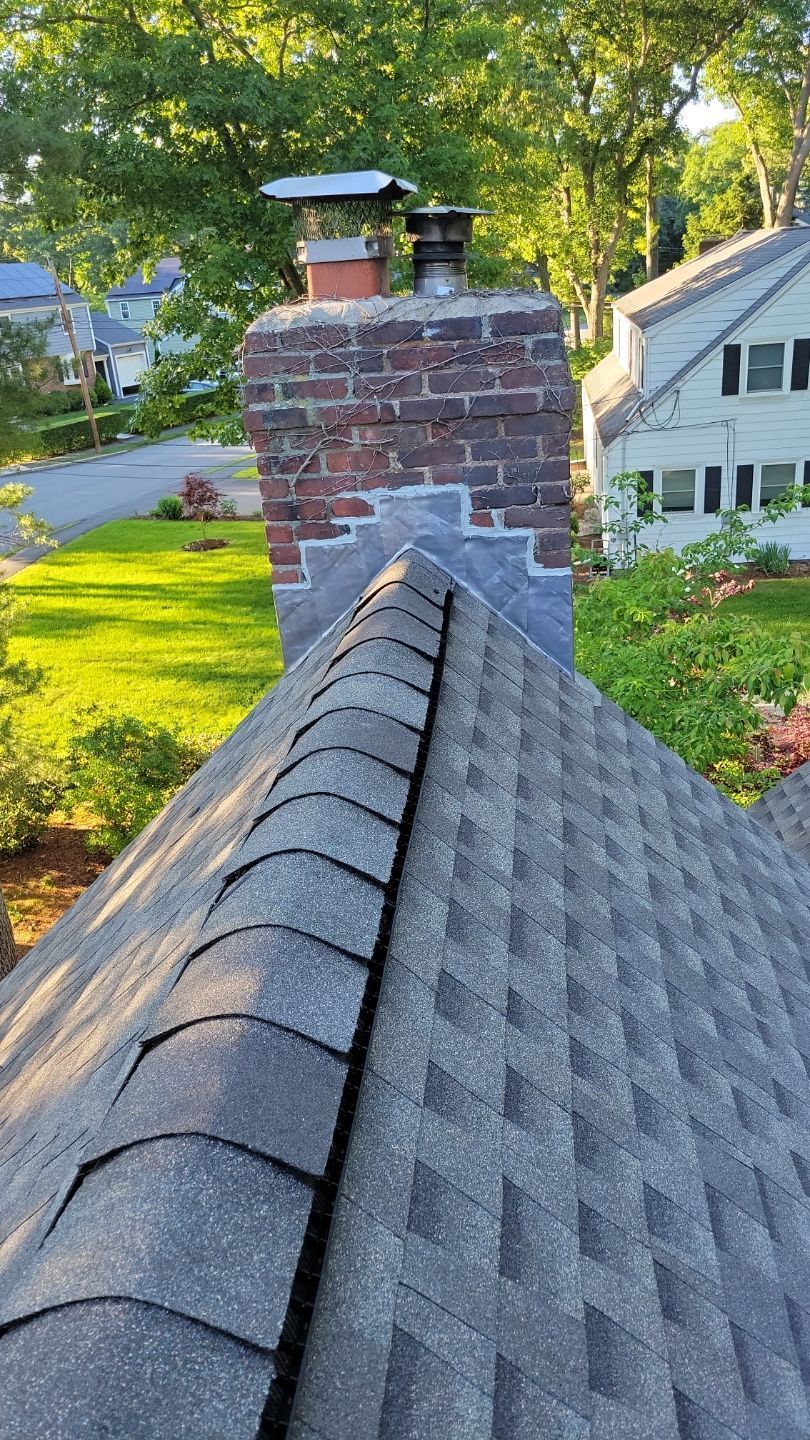
These seal the roof's peaks, preventing water infiltration while promoting proper ventilation.
Attic Ventilation
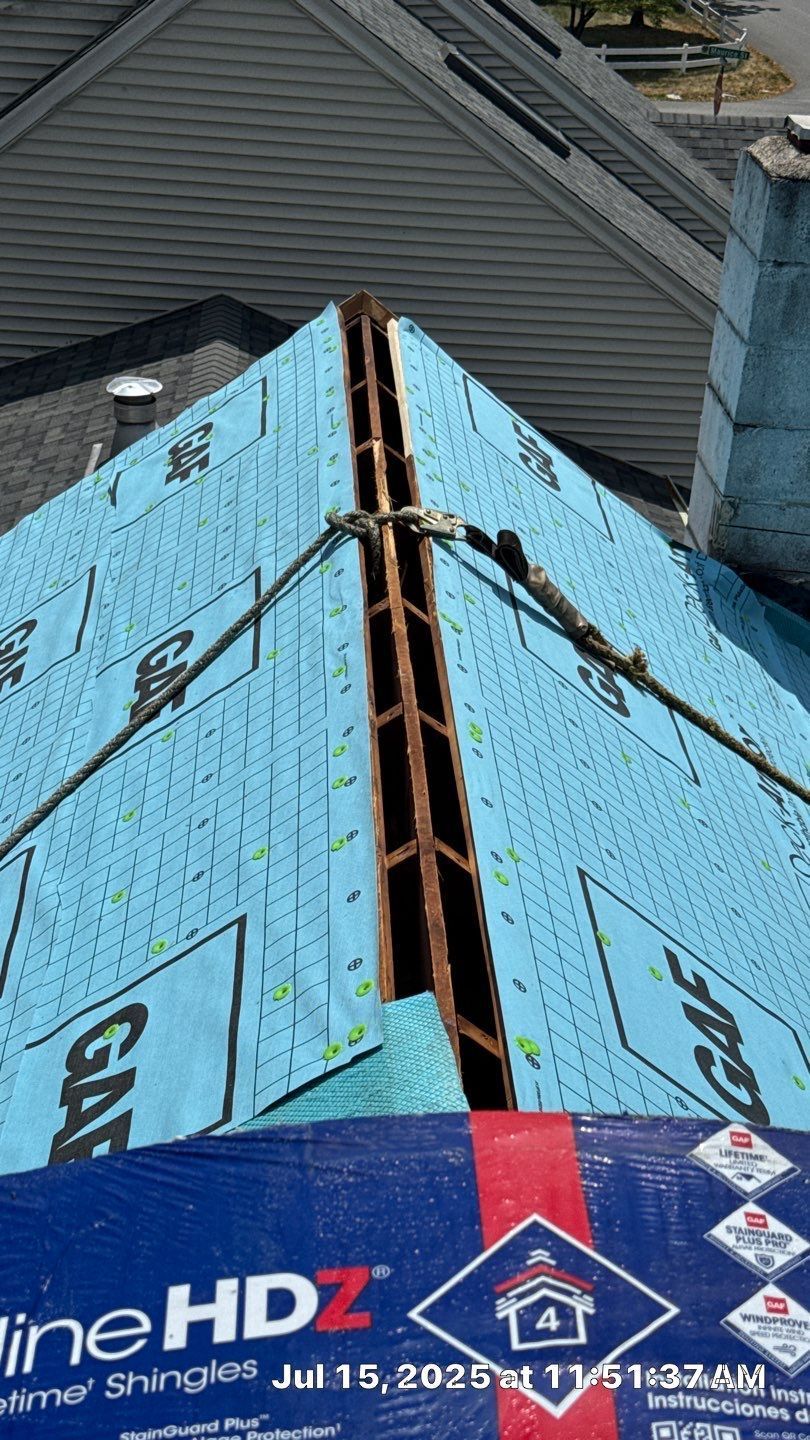
Essential for regulating temperature and moisture in the attic, products like ridge vents prevent mold and extend the roof's lifespan.
The Vital Role of a Solid Roof Deck in Massachusetts
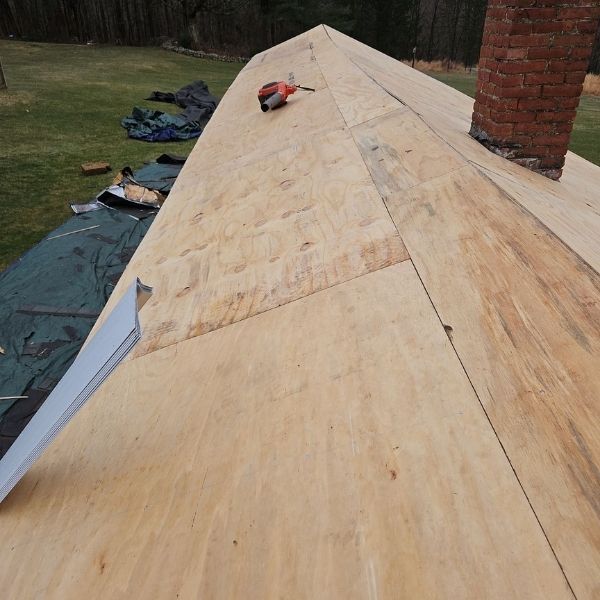
Massachusetts weather poses unique challenges, from blizzards to humid summers. A solid roof deck, typically made of plywood or OSB, acts as the structural backbone, supporting the entire system and protecting your home from weather-induced damage.
Withstanding Heavy Snow Loads
Heavy snow can accumulate to several feet, exerting significant pressure. Massachusetts building codes require roofs to handle 40-50 lbs/sq ft, but a weak deck risks collapse; a solid one distributes weight evenly.
Combating Ice Dams and Water Damage
Ice dams force water under shingles, leading to rot. A moisture-resistant deck, paired with GAF's barriers, prevents absorption and decay.
Resisting High Winds and Storms
Coastal winds up to 70 mph can lift shingles. A well-fastened deck anchors the system, reducing blow-off risks.
Preventing Long-Term Issues Like Rot and Mold
Humidity causes condensation; a treated deck and proper ventilation mitigate rot and pests.
Signs Your Roof Deck Needs Attention
Look for sagging lines, water stains, creaking, or attic damage like soft wood-prompt inspection can prevent major issues.
Key Statistics on Massachusetts Weather and Roof Durability
To underscore the importance of a robust roof deck, consider these statistics on local weather impacts. They reveal how extreme conditions can overwhelm inadequate structures, emphasizing the need for quality materials and maintenance.
Snow Load Capacities and Risks
Most roofs are designed for 65 lbs/sq ft, but snow loads enter the danger zone at 20-25 lbs/sq ft, equivalent to about 2 feet of light snow. Wet snow weighs 12-18 lbs/cubic ft, increasing risks during storms.
Historical Roof Collapse Incidents
In 2015's Snowmageddon, Boston saw over 110 roof collapses in one month due to record snow. The 2010-2011 winter caused nearly 500 problem roofs across Northeast states, including 382 collapses, with ground loads at 71% of code values on average.
Recent Events and Building Code Implications
In 2023, back-to-back Nor'easters led to collapses in Massachusetts after 24+ inches of snow. Flat roofs are particularly vulnerable, but codes ensure modern designs handle typical loads.
Frequently Asked Questions (FAQs)
Homeowners often have questions about roof decks and their role in weathering Massachusetts conditions. Below, we address common inquiries to help you make informed decisions.
What is a roof deck, and why is it important?
The roof deck is the structural base under the roofing materials. It's crucial in MA for supporting snow loads and preventing moisture damage.
How much snow can my roof handle?
Typically, 20-25 lbs/sq ft before stress; this varies by design, but building codes aim for safety against local averages.
What are signs of roof deck damage?
Sagging, leaks, creaks, or attic rot indicate issues—contact professionals immediately.
Does a solid deck affect my roofing warranty?
Yes, a compromised deck can void GAF warranties; ensure proper installation.
How often should I inspect my roof deck?
Annually, or after major storms, to catch early problems.
How Master Roof Can Help
At Master Roof, we provide tailored solutions for Massachusetts homes. Our expertise ensures your roof deck and system are built to last, offering peace of mind against the state's tough weather.
Professional Inspections and Installations
We conduct free assessments to evaluate deck condition and recommend GAF-based upgrades.
Contact Us for Expert Advice
Visit
www.masterroof.comor call today-protect your home with our certified services.