
Understanding Causes, Solutions & Prevention Roof Pipe Boot Problems
- Understanding Pipe Boots: Essential seals for roof penetrations that prevent leaks when properly installed.
- Common Issues: Wrong materials lead to cracking; improper installation causes gaps and water damage.
- Statistics & Examples: Up to 90% of roof leaks tie to flashing failures, like UV-degraded rubber boots.
- Master Roof Expertise: Trained in advanced TPO systems for reliable solutions.
- Prevention Tips: Choose durable materials and professional installation to avoid costly repairs.
What is a Roof Pipe Boot?
A roof pipe boot, also known as a pipe flashing or vent boot, is a crucial component in roofing systems designed to seal around pipes, vents, or other protrusions that penetrate the roof surface. This seal prevents water, debris, and pests from entering the structure, maintaining the integrity of your home or building.
Definition and Function
Roof pipe boots are typically made from rubber, plastic, or metal and are shaped like a cone or boot to fit snugly around cylindrical penetrations. Their primary function is to create a watertight barrier, directing rainwater away from vulnerable entry points.
Importance in Roofing Systems
Without a proper pipe boot, even minor roof penetrations can lead to significant leaks, compromising insulation, framing, and interior spaces. In low-slope roofs, like those using TPO membranes, specialized boots ensure compatibility and long-term performance.
Common Problems with Roof Pipe Boots
When roof pipe boots fail, they often result in hidden leaks that escalate into major repairs. Issues typically arise from material mismatches or installation errors, leading to premature degradation and water intrusion.
Using the Wrong Material
Selecting incompatible materials can accelerate failure. For instance:
- Rubber boots exposed to intense UV rays in sunny climates crack within 5-8 years, as seen in Georgia homes.
- Non-TPO compatible boots on TPO roofs may not bond properly, causing separation and leaks.
- Stats show that flashing material failures contribute to about 80% of leaky roofs, highlighting the need for durable options like reinforced TPO boots.
Improper Installation
Poor installation creates gaps or weak points. Examples include:
- Not cutting boots to the exact pipe size, leading to loose fits and water pooling.
- Inadequate sealing around the base, allowing wind-driven rain to enter.
- Approximately 90% of roof leaks are linked to flashing installation problems, such as at vents or chimneys.
Real-World Examples and Statistics
Roof pipe boot failures are more common than many realize, backed by industry data and case studies. These issues can cost homeowners thousands in repairs, emphasizing the value of proactive maintenance.
Key Statistics on Roof Leaks
- Flashing failures, including pipe boots, cause 60-70% of recurring roof leaks in states like Texas.
- Nationwide, pipe boot flaws lead to hundreds of millions in annual property repairs due to early failures.
- In commercial settings, wrong flashing materials result in water damage that can necessitate structural overhauls.
Examples of Boot Pipe Problems
- A homeowner in a hot climate installs a basic rubber boot, which brittles and cracks after 7 years, causing attic mold and $5,000 in fixes.
- On a low-slope TPO roof, using non-reinforced flashing leads to wrinkles and loose seals during building movement, resulting in interior water stains.
- Improperly fastened boots around plumbing vents fail in high winds, as seen in storm-prone areas, voiding roof warranties and requiring emergency repairs.
Solutions and Prevention Strategies
Addressing pipe boot issues involves choosing quality materials and expert installation. Preventive measures can extend your roof's life and avoid unexpected costs.
Choosing the Right Materials
Opt for compatible, durable options like GenFlex TPO Universal or Reinforced Pipe Boots, designed for low-slope roofs and fitting pipes from 1" to 6". These resist UV, chemicals, and weather for better longevity. Learn more about TPO products.
Professional Installation Best Practices
Hire certified installers to ensure proper cutting, sealing, and attachment. For TPO systems, methods like InvisiWeld provide non-penetrating bonds for enhanced security.
Maintenance Tips
- Inspect boots annually for cracks or gaps-schedule a roof inspection with Master Roof.
- Replace aging boots before failure; in harsh climates, upgrade to reinforced versions every 10-15 years.
Master Roof's Expertise in TPO Boot Pipe Solutions
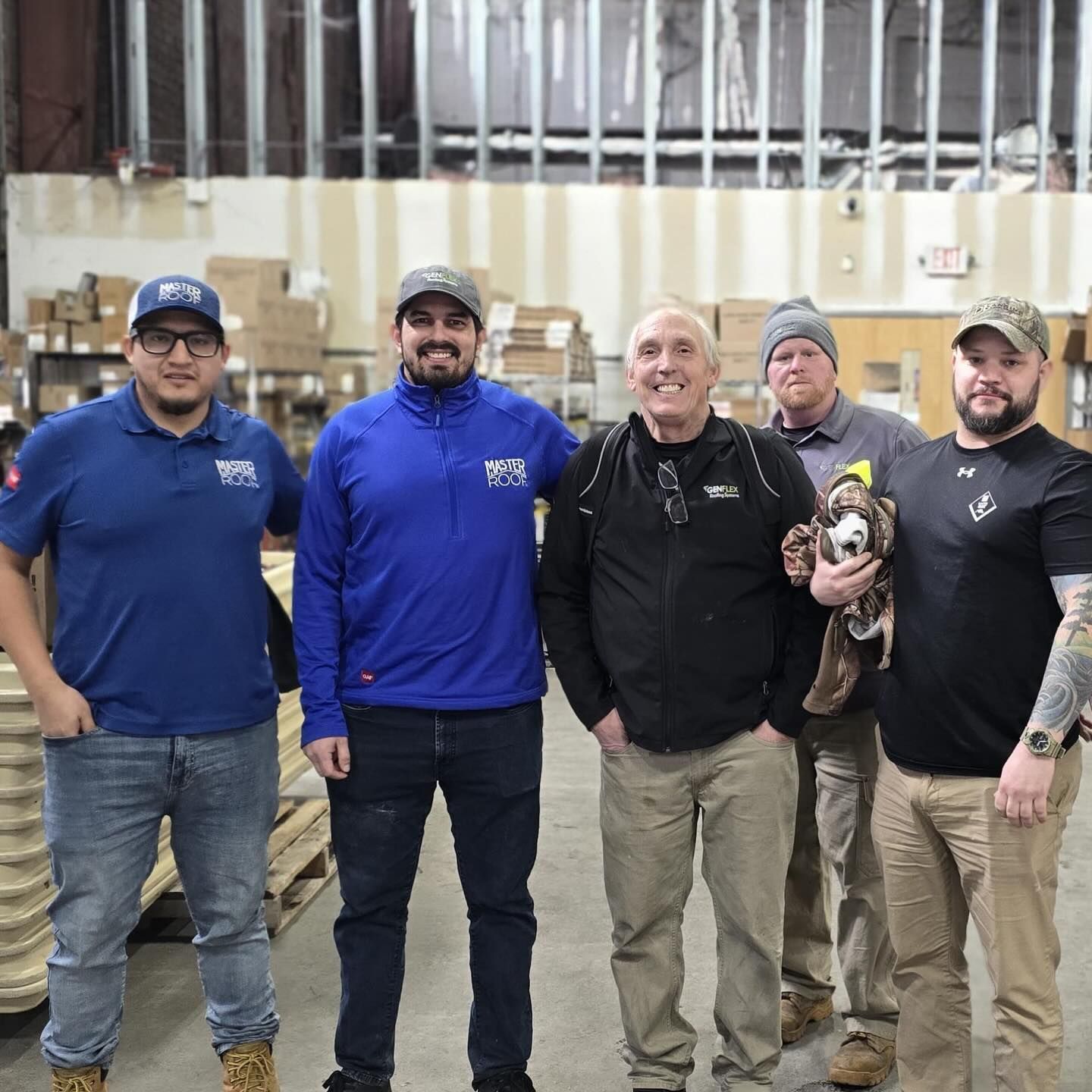
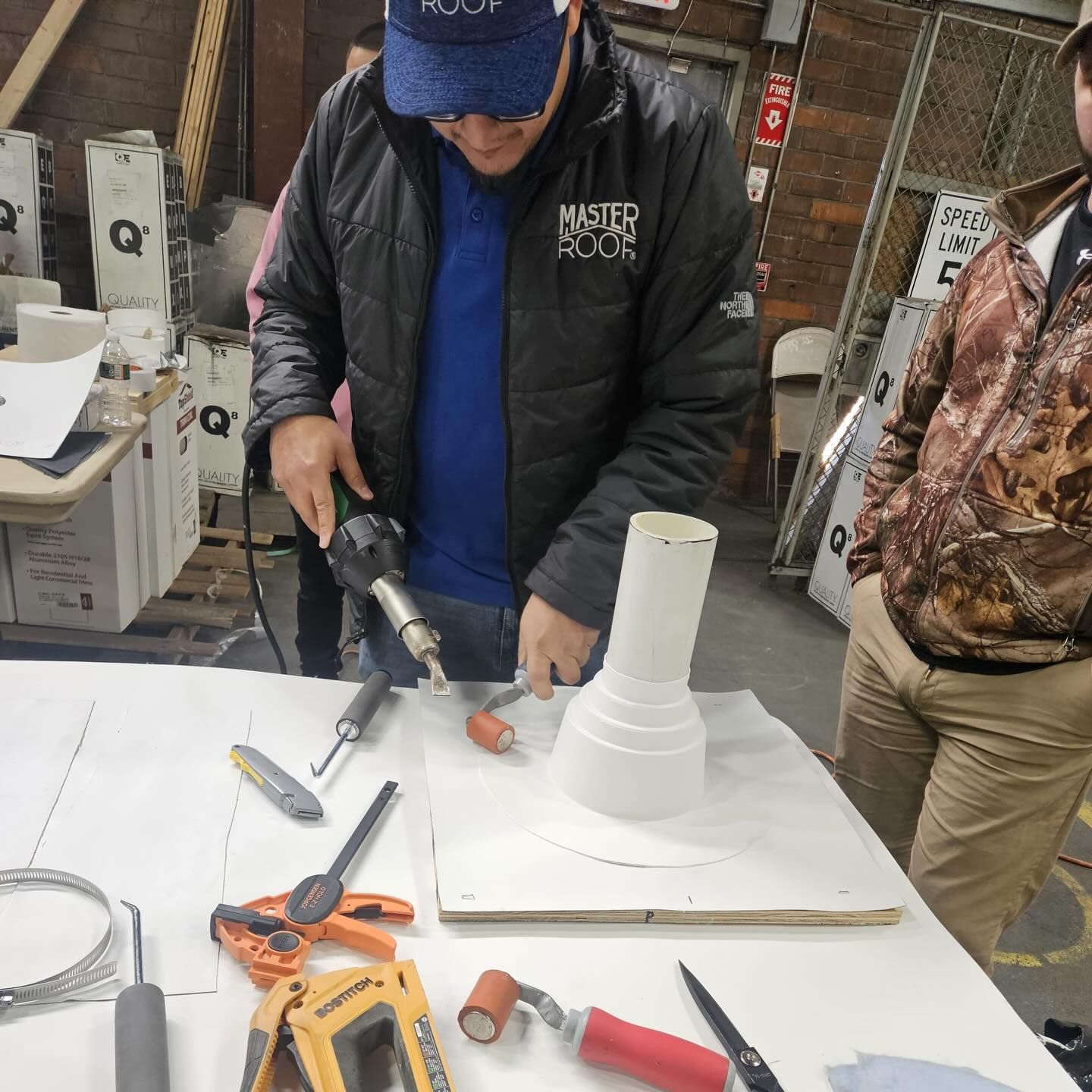
At Master Roof, we specialize in advanced roofing solutions to tackle pipe boot challenges head-on. Our team recently completed specialized training on advanced TPO Low Slope boot pipe techniques with GenFlex and SRS, ensuring top-tier installations.
Our Training and Partnerships
We've partnered with GenFlex for their high-performance TPO systems and SRS Distribution for access to premium materials. This collaboration equips us with the latest tools and knowledge. Explore our roofing services.
Why Choose Master Roof
- Certified in TPO installations for low-slope roofs.
- Access to quality products via SRS Building Products. Visit SRS for more .
- We have detailed pictures from our training sessions showing proper boot installations—contact us to see examples or request a quote.
FAQs
What causes roof pipe boots to fail most often?
Common causes include UV degradation, wrong material selection, and improper installation, leading to cracks and leaks.
How long do roof pipe boots typically last?
Quality boots like TPO reinforced versions can last 15-20 years, but rubber ones may fail in 5-8 years in sunny areas.
Can I install a pipe boot myself?
It's not recommended; professional installation ensures a watertight seal. Contact Master Roof for expert help.
What are signs of a failing pipe boot?
Look for water stains on ceilings, mold in attics, or visible cracks around roof penetrations.
Why choose TPO for low-slope roofs?
TPO offers energy efficiency, durability, and easy maintenance, making it ideal for commercial and flat roofs.