
7 Most Common Winter Roofing Problems and Early Intervention Steps
Winter in Massachusetts can be unforgiving on roofs, with heavy snowfalls, ice buildup, freezing temperatures, and strong winds leading to leaks, structural damage, and costly repairs. At MasterRoof.com, we've helped countless homeowners in areas like Lowell and beyond tackle these issues head-on. Whether you have asphalt shingles, slate, metal, or flat roofing, understanding common problems is key to protecting your home. In this guide, we'll detail the seven most frequent winter roofing challenges, their causes, prevention strategies, and fixes. Early intervention can save thousands-don't wait for minor issues to become emergencies. If you're in MA, schedule a free inspection with us today. This article will cover the following:
This article will cover the following:
- Ice Dams and Melting Snow
- Heavy Snow Loads and Structural Strain
- Roof Leaks and Water Intrusion
- Condensation and Attic Moisture
- Shingle Cracking and Thermal Stress
- Wind and Storm Damage
- Falling Tree Limbs and Debris
- Key Takeaways and Preparation Tips
1. Ice Dams and Melting Snow
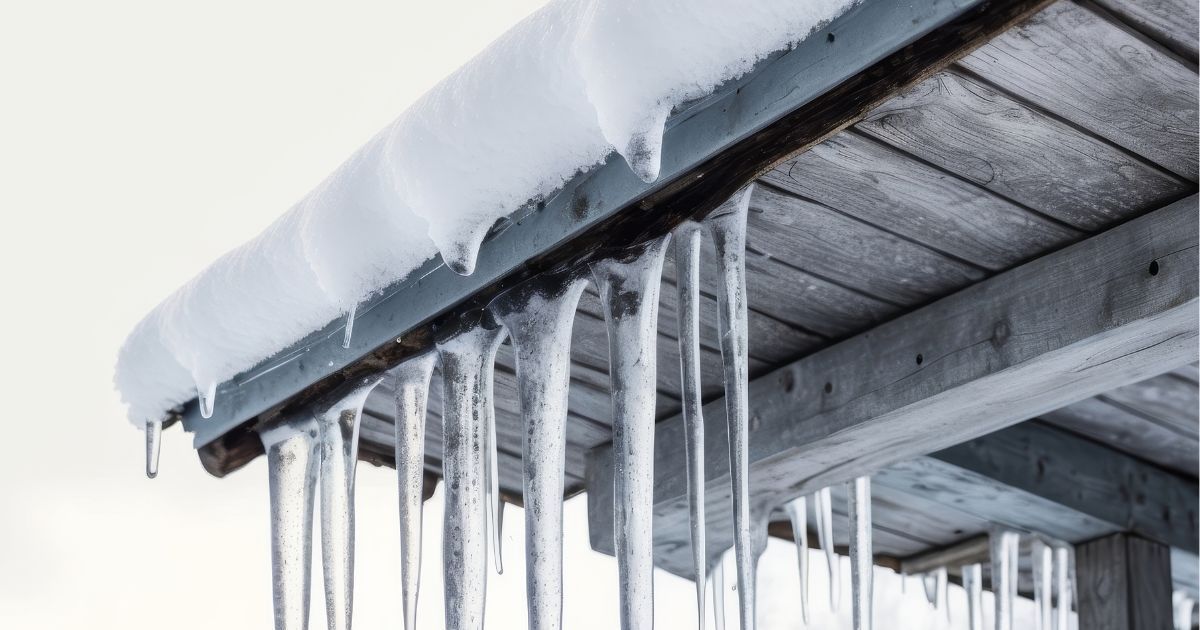
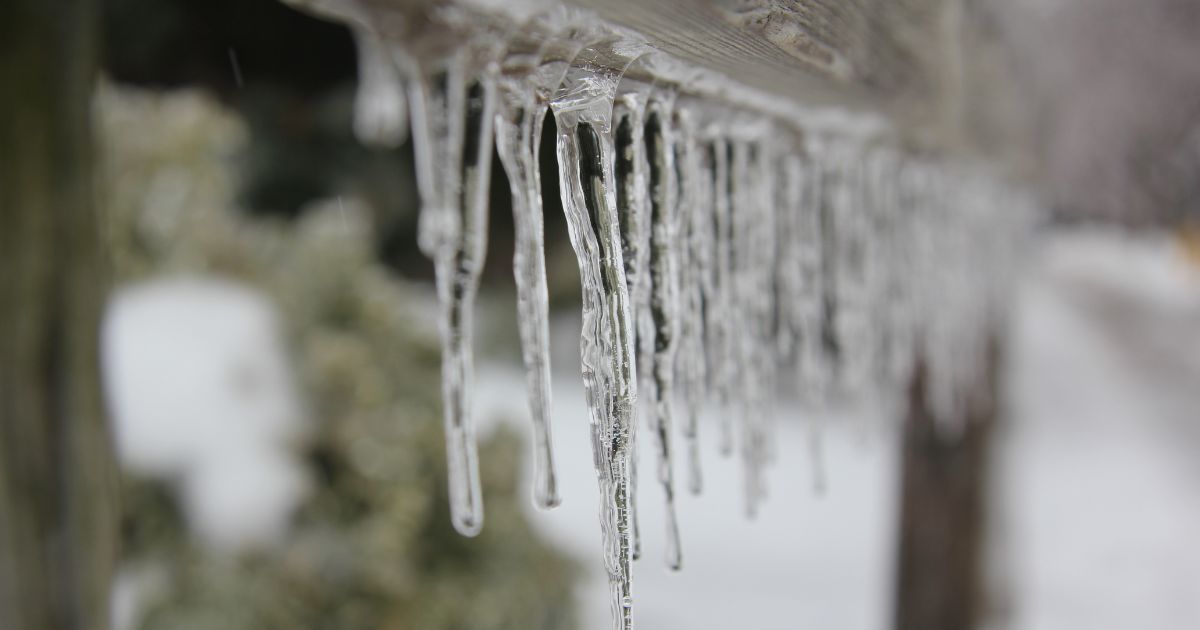
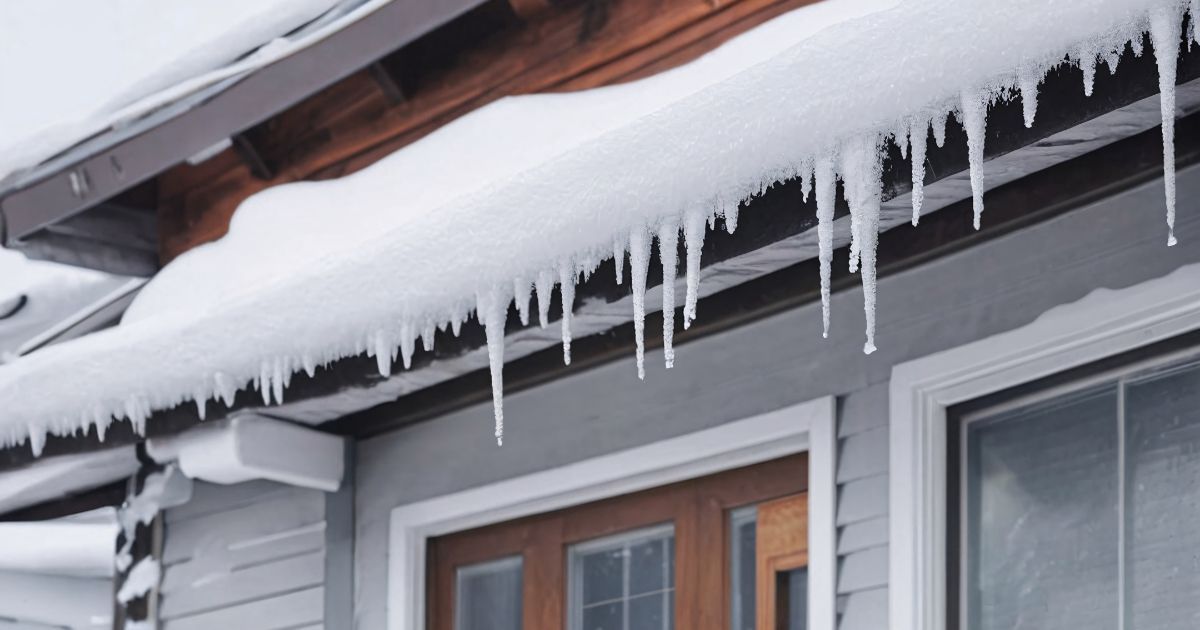
Ice dams are one of the most prevalent winter roofing issues in Massachusetts, forming when heat from your attic melts snow on the roof, only for the water to refreeze at the colder edges. This creates a barrier that traps water, forcing it under shingles and into your home, causing leaks, mold, and even ceiling collapses.
Causes
- Poor attic insulation allowing warm air to escape.
- Inadequate ventilation leading to uneven roof temperatures.
- Heavy snowfall followed by freeze-thaw cycles, common in MA's variable winters.
Prevention Tips
- Improve attic insulation and airflow with proper venting systems.
- Use a roof rake to clear snow accumulation safely from the ground.
- Install ice and water shields during roof installations or repairs-these self-adhering membranes provide extra protection against water infiltration.
- Ensure hip and ridge capping is secure to prevent weak points.
How to Handle and Fix
If an ice dam forms, avoid chipping at it yourself, as this can damage shingles. Instead, apply calcium chloride ice melt in tubes along the dam to create channels for water drainage. For severe cases, call a professional for steam removal or heated cable installation. In Massachusetts, experts recommend fall inspections to prep for winter, as addressing ventilation early can prevent 70-80% of ice dam issues.
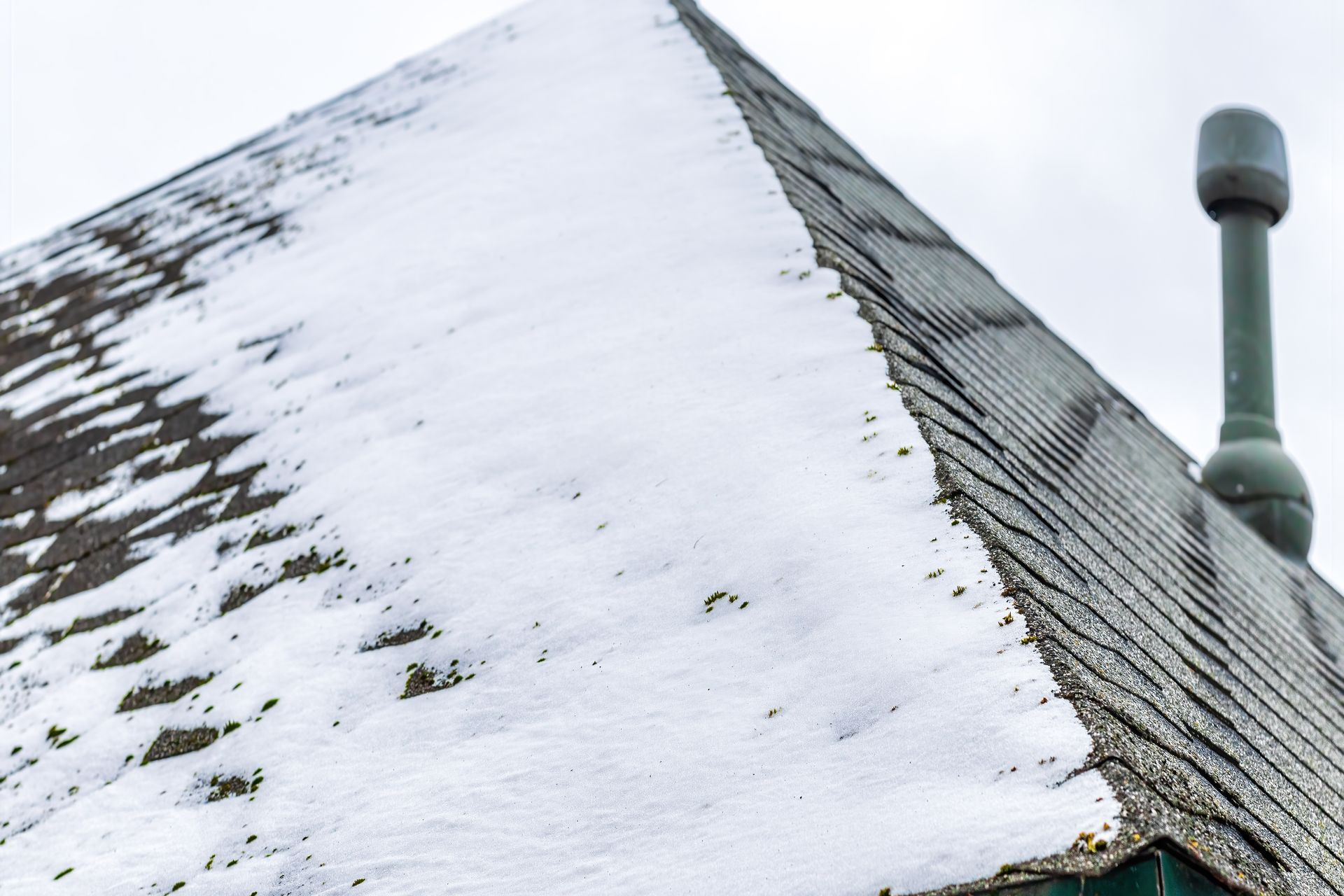
2. Heavy Snow Loads and Structural Strain
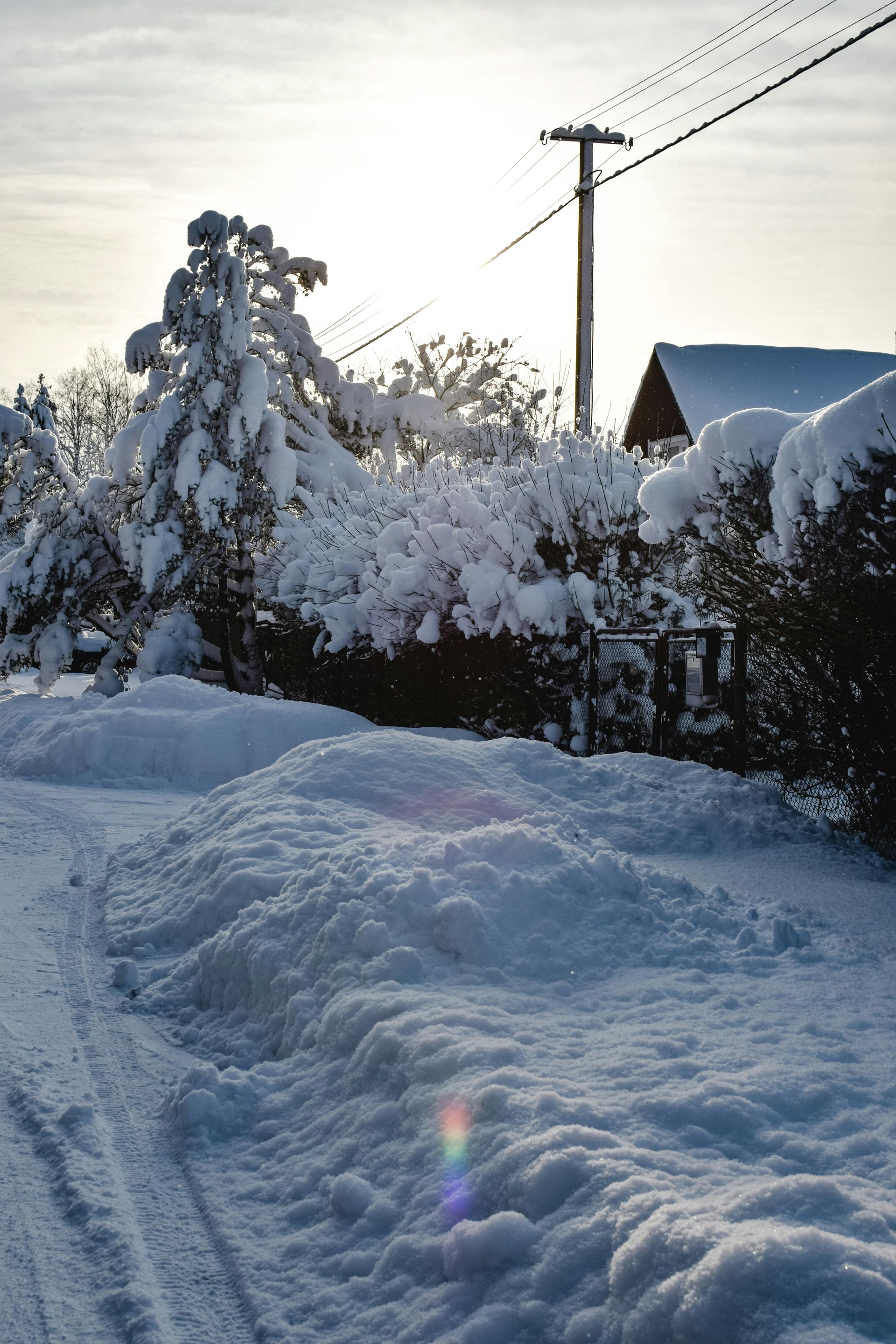
Heavy snow loads occur when excessive accumulation adds tremendous weight to your roof, risking sagging, cracked beams, or collapse-especially on flat or low-slope roofs common in Massachusetts commercial buildings.
Causes
- Consecutive storms in snowy regions where snow doesn't melt or slide off easily.
- Wet, dense snow adding up to 20 pounds per square foot of pressure.
- Older or poorly designed roofs unable to handle New England's heavy blizzards.
Prevention Tips
- Monitor snow depth after storms and remove if it exceeds 20-30 inches.
- Install snow guards on sloped roofs to control sliding.
- Schedule pre-winter structural inspections to assess load capacity.
- Trim overhanging trees to avoid added debris weight.
How to Handle and Fix
Never climb onto a snow-covered roof-use a long-handled roof rake from the ground to remove snow in layers, leaving a thin base to protect shingles. If signs of strain like creaking or bowing appear, evacuate and call professionals immediately for safe removal and repairs. In MA, where blizzards are frequent, emergency services can prevent collapse and often coordinate with insurance claims.
3. Roof Leaks and Water Intrusion
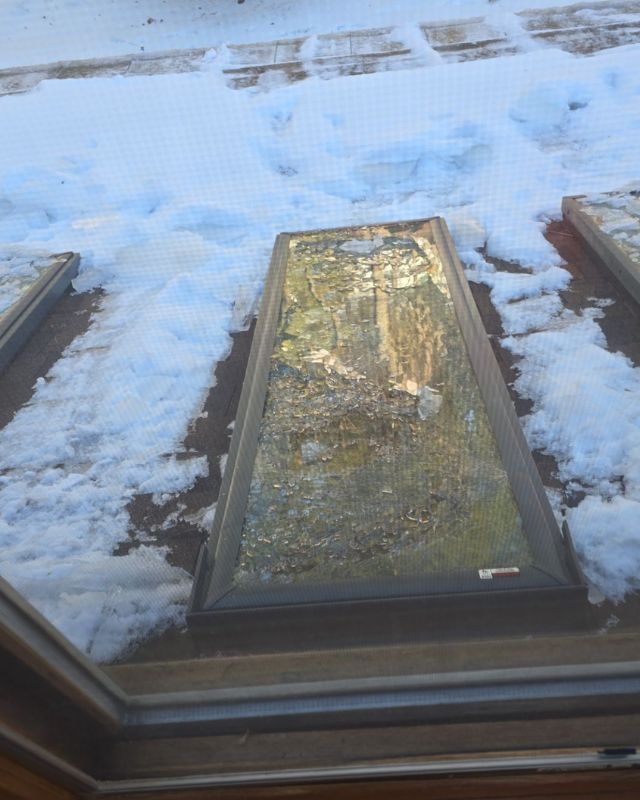
Roof leaks from water intrusion happen when melting snow or rain seeps through cracks, damaged flashing, or worn seals, leading to interior damage, mold, and insulation issues-often exacerbated by Massachusetts' freeze-thaw cycles.
Causes
- Cracks around chimneys, skylights, valleys, or flashing widened by ice expansion.
- Clogged gutters preventing proper drainage during melts.
- Repeated melting and refreezing weakening roof materials.
Prevention Tips
- Clean gutters and downspouts before winter to ensure drainage.
- Seal vulnerabilities around protrusions with high-quality caulk.
- Opt for durable materials like metal roofing for better resistance.
- Conduct seasonal inspections to catch early wear.
How to Handle and Fix
Inspect after storms for damp spots or drips indoors; apply temporary roofing tape to small leaks, but hire pros for thorough fixes like reflashing or shingle replacement. In Massachusetts, where small leaks can escalate quickly in cold weather, professional leak detection and emergency repairs are essential to avoid mold and structural rot.
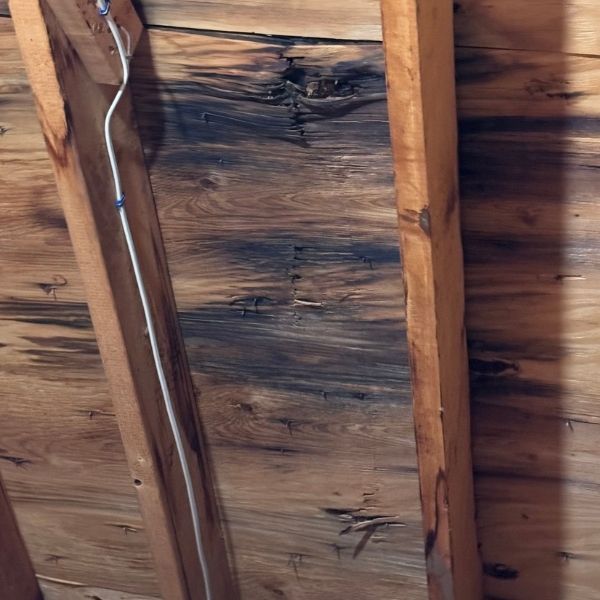
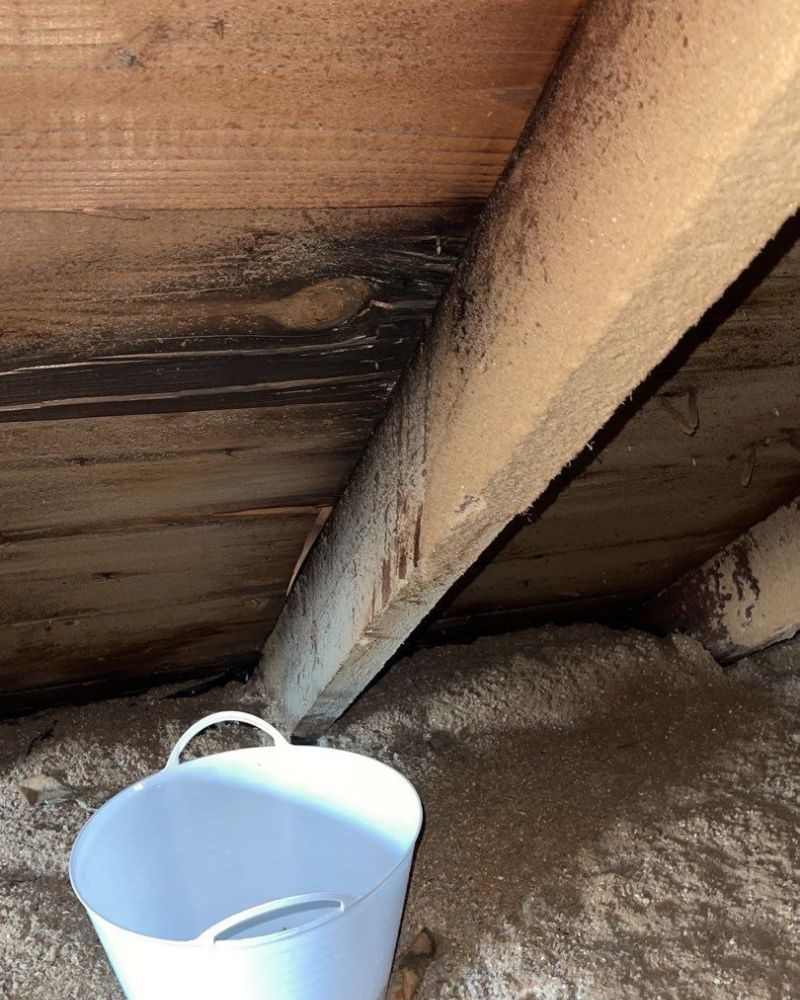
4. Condensation and Attic Moisture
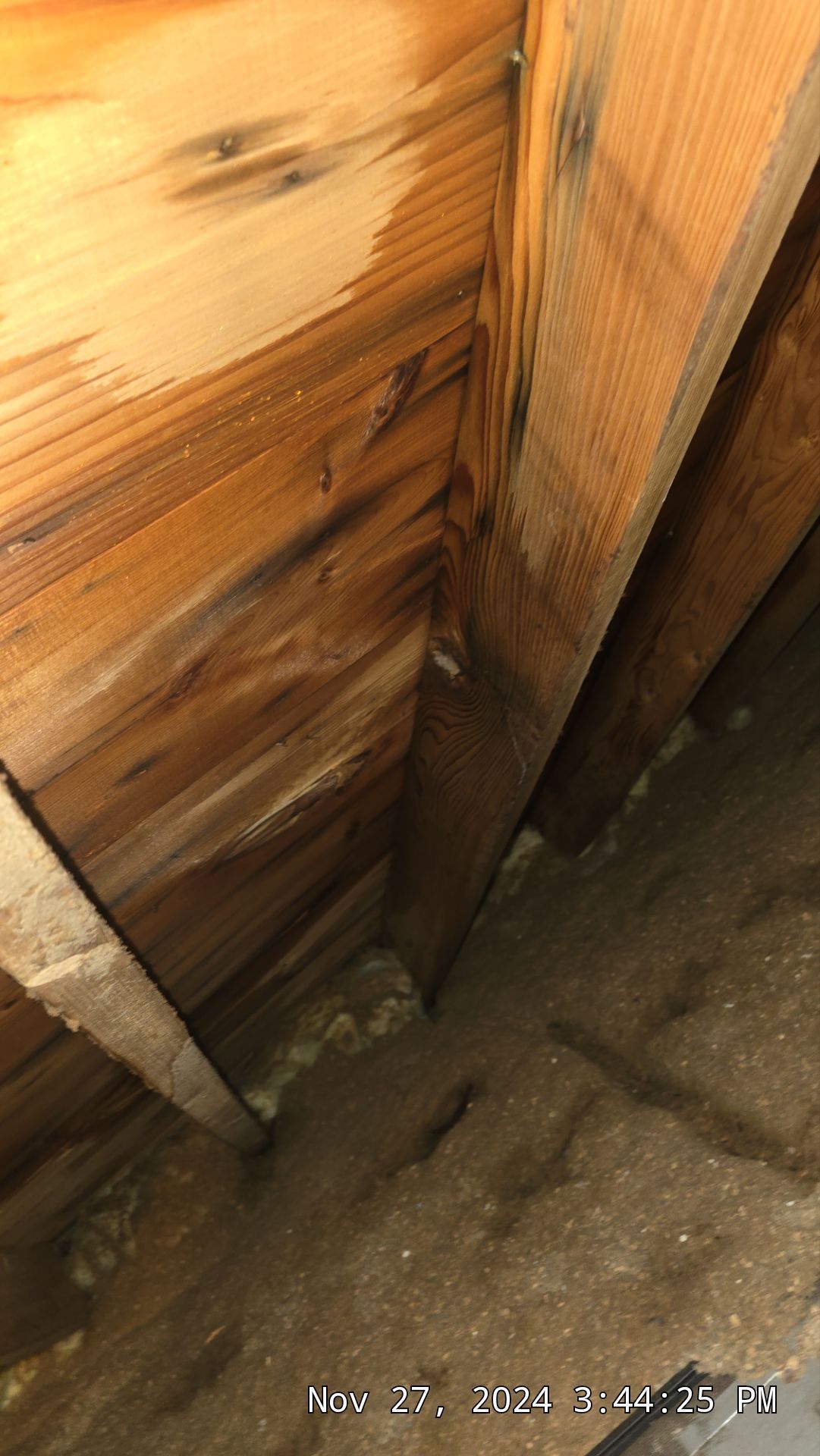
Condensation and attic moisture build when warm indoor air meets a cold roof, causing droplets that lead to wood rot, mold, and weakened structures-particularly in poorly ventilated Massachusetts homes.
Causes
- Insufficient insulation or blocked vents trapping humid air.
- Large flat surfaces in commercial roofing that trap moisture.
- Daily temperature swings in MA winters promoting buildup.
Prevention Tips
- Install or upgrade soffit, ridge, or gable vents for better circulation.
- Add proper insulation to maintain consistent attic temperatures.
- Seal air leaks from the home into the attic.
- Use vapor barriers in new installations.
How to Handle and Fix
Check attics for frost or mold; use a dehumidifier temporarily and improve ventilation professionally. In New England, where this issue often goes unnoticed until spring, a roof inspection can identify and correct problems, preventing costly rot repairs.
5. Shingle Cracking and Thermal Stress
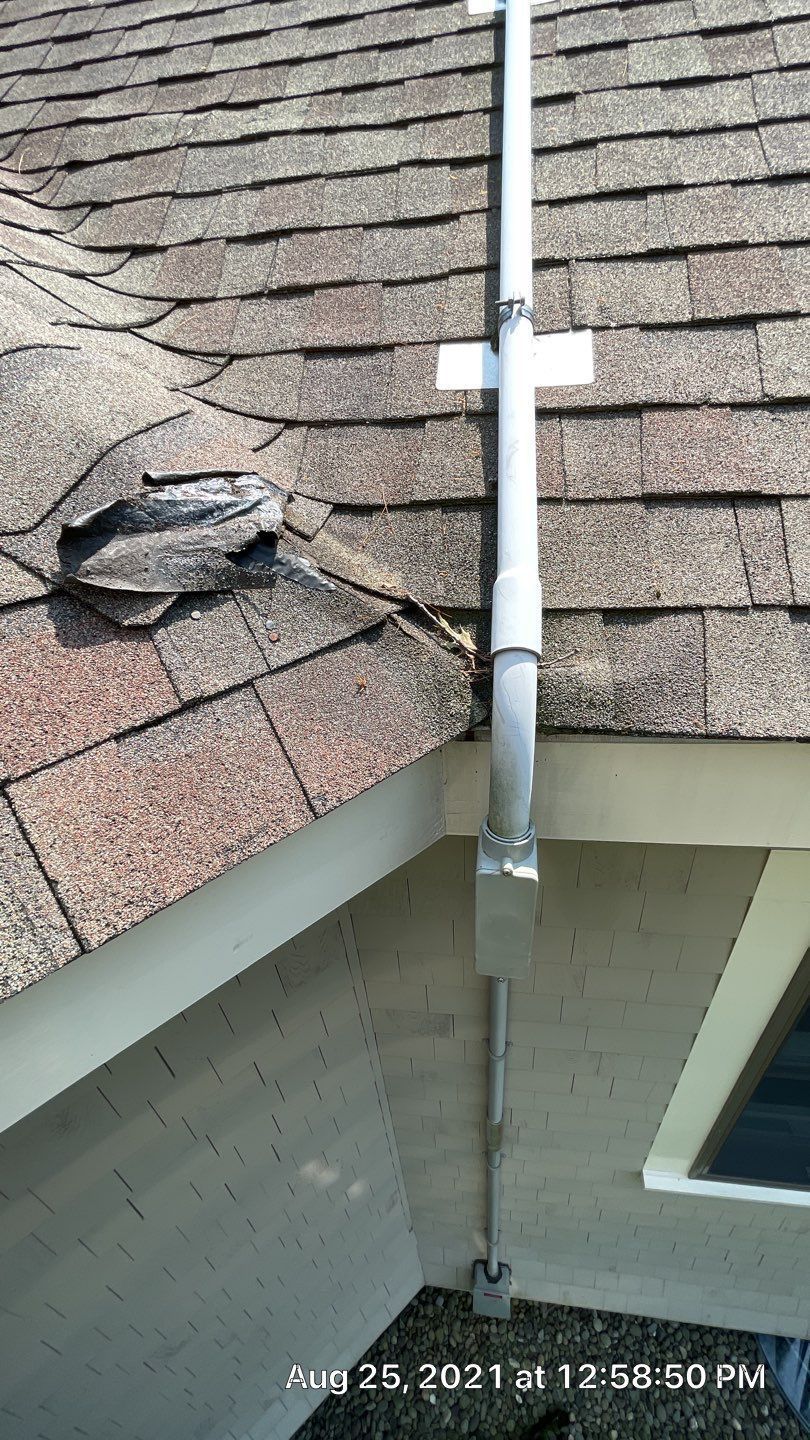
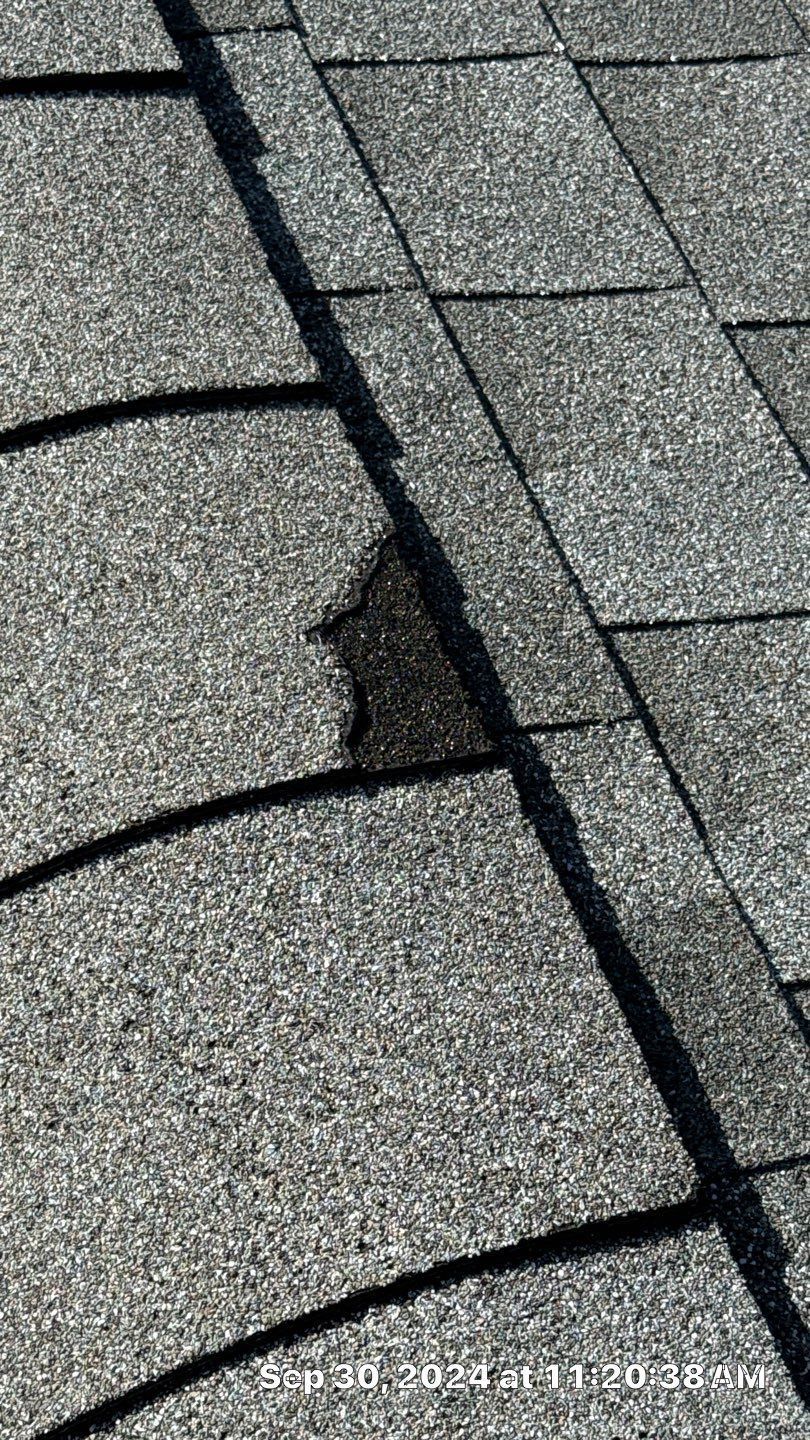
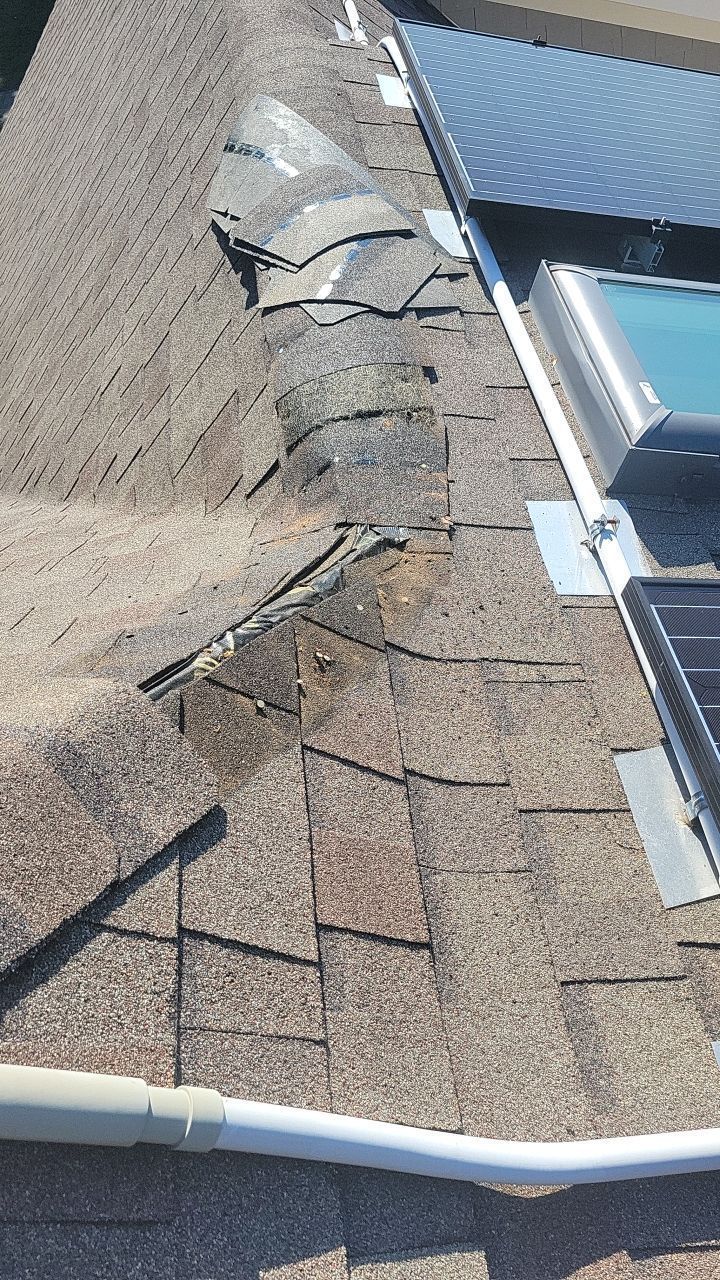
Shingle cracking from thermal stress arises as rapid temperature changes cause materials to expand and contract, leading to brittle, curled, or loosened shingles vulnerable to leaks.
Causes
- Extreme swings between sunny days and freezing nights.
- Aging materials like older asphalt shingles or slate tiles.
- Infamous MA temperature fluctuations stressing seams and flashing.
Prevention Tips
- Choose cold-weather-rated shingles for replacements.
- Perform pre-winter inspections to replace worn sections.
- Apply sealants designed for thermal resistance.
- Avoid low-quality materials prone to failure.
How to Handle and Fix
Use binoculars to spot cracks without climbing; replace damaged shingles promptly with matching materials. For widespread issues, a full roof replacement may be needed-in Massachusetts, proactive maintenance before snowfall can prevent escalation to leaks or structural damage.
6. Wind and Storm Damage
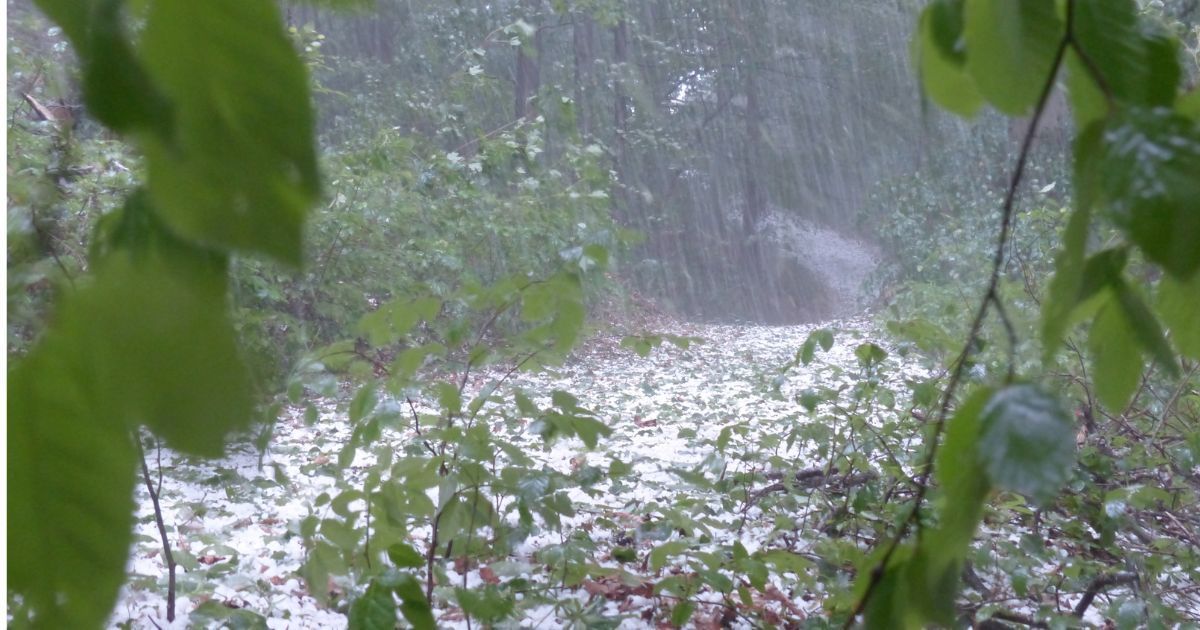
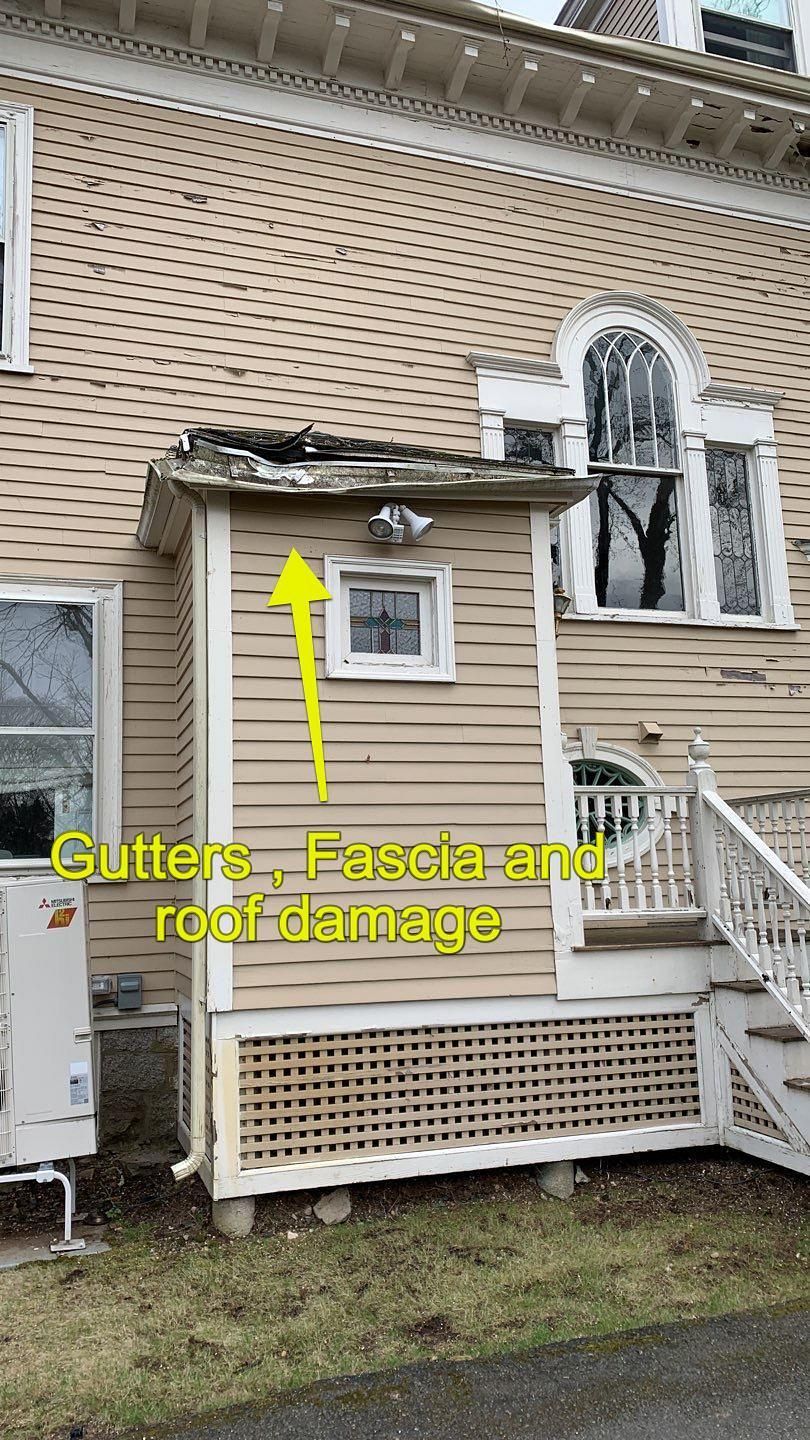
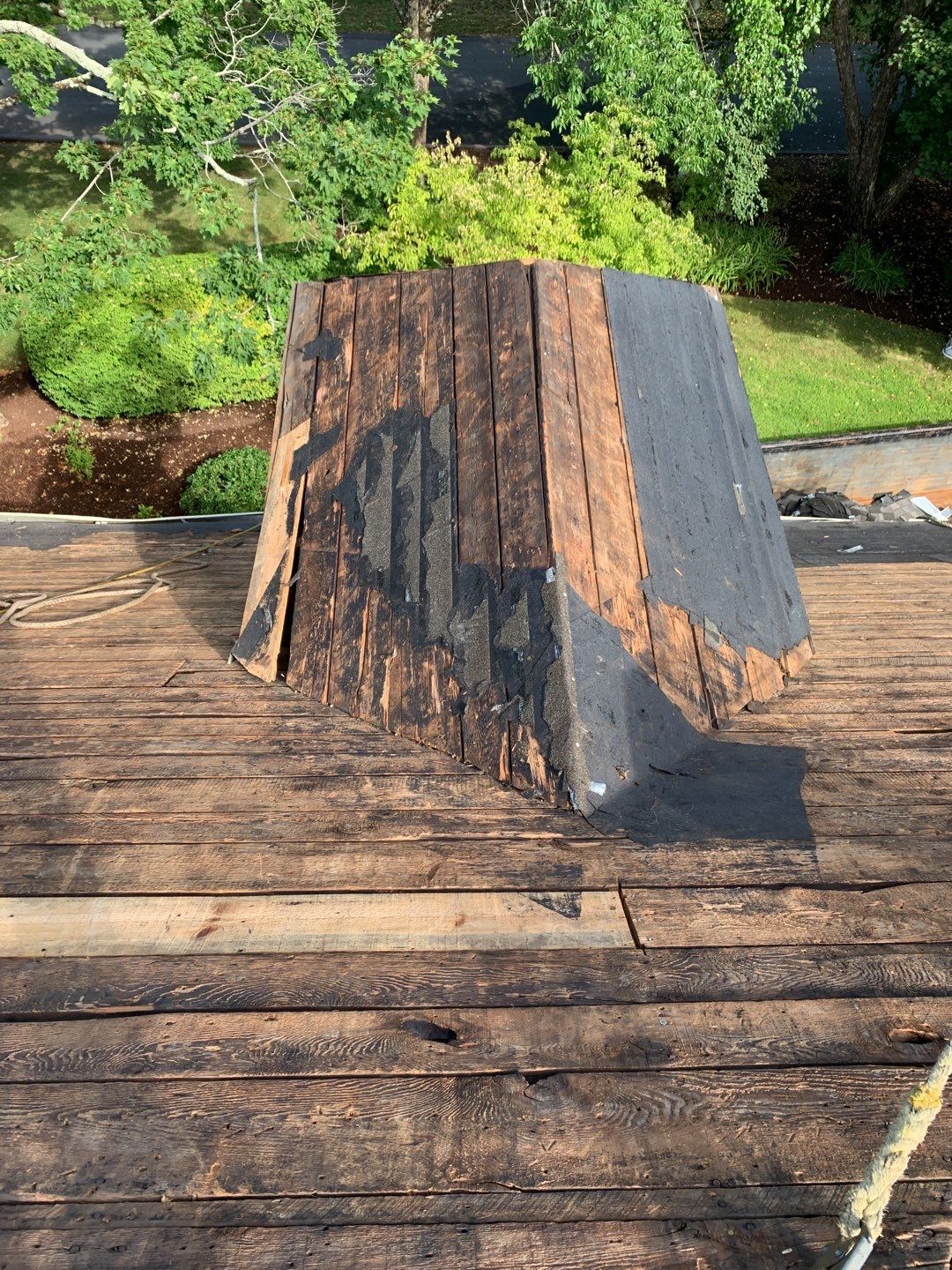
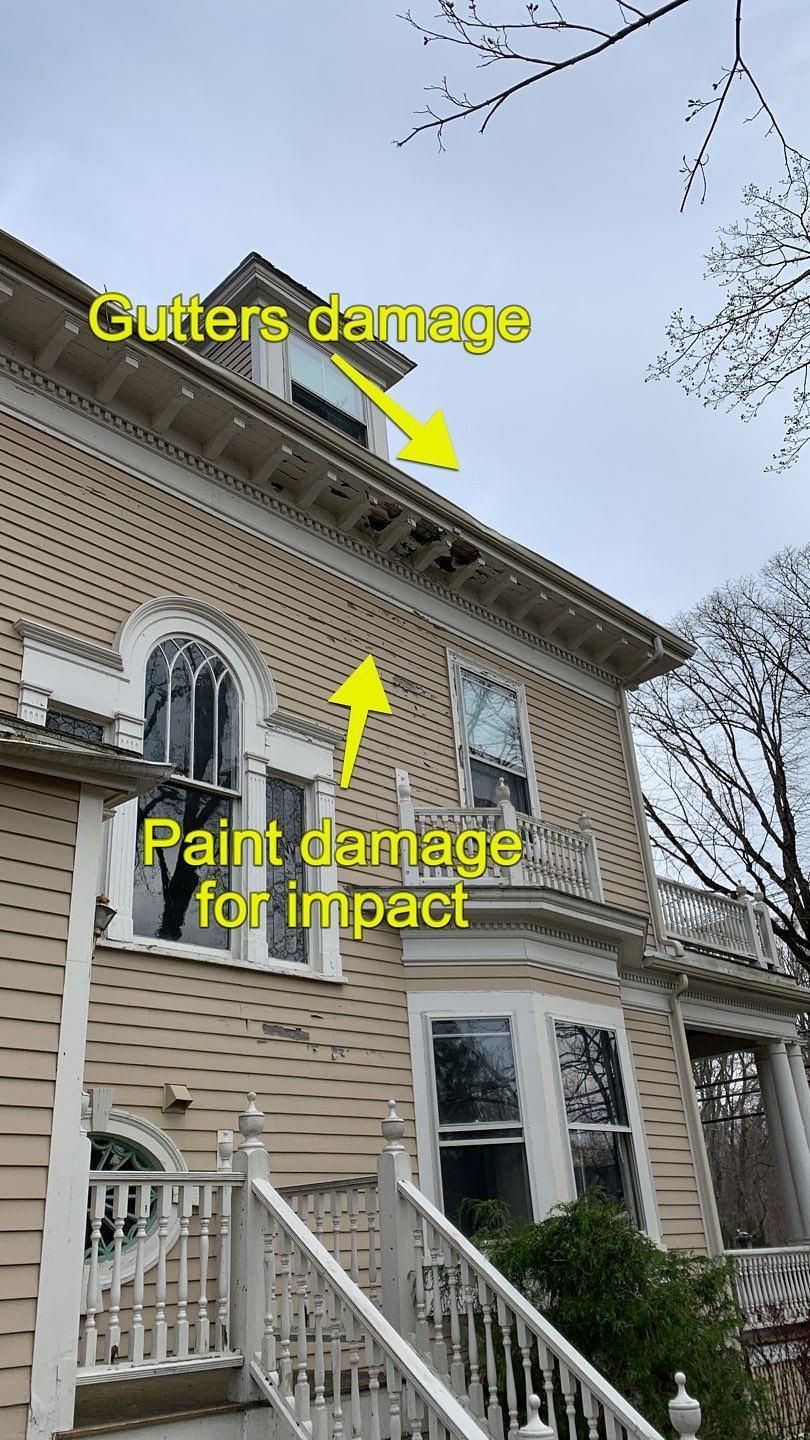
Strong storms can happen in any season in Massachusetts. Winter Nor'easters bring heavy snow loads, strong winds, and freezing temperatures. And summer thunderstorms can turn violent with strong winds, heavy rain, and lightning. Any of these can damage the roofing materials and structure of the home.
Causes
- Gusts over 50 mph from nor'easters or blizzards.
- Loose materials on older roofs or poor installations.
- Remnants of hurricanes adding to winter storm intensity.
Prevention tips
- Secure loose shingles and flashing before storms.
- Install wind-resistant clips or adhesives.
- Trim nearby trees to reduce debris risk.
- Choose high-wind-rated roofing materials.
How to Handle and Fix
After storms, inspect from the ground for missing pieces and document for insurance; professionals can handle repairs like reshingle or reflashing. In MA, where winds can reach hurricane force, timely storm damage restoration prevents further issues like leaks.
7. Falling Tree Limbs and Debris
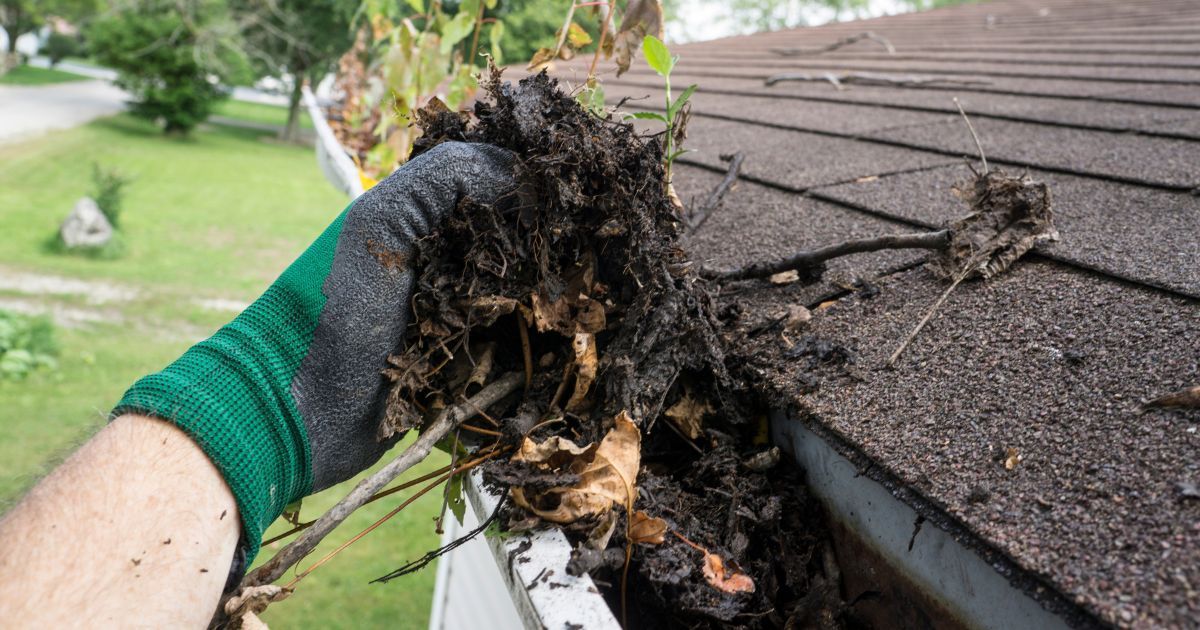
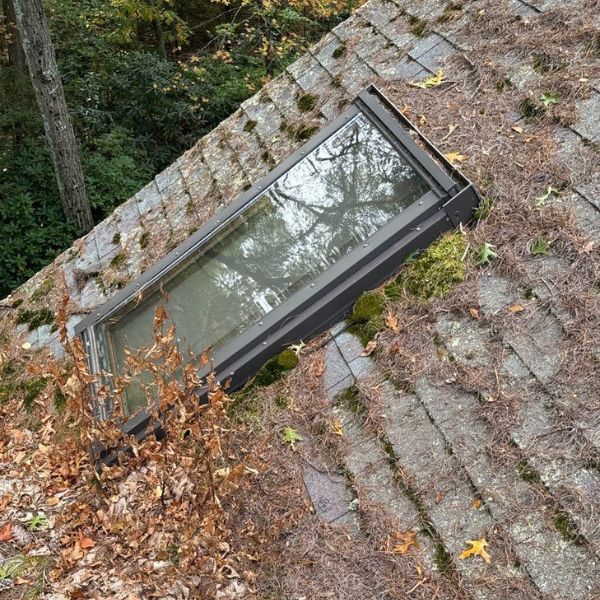
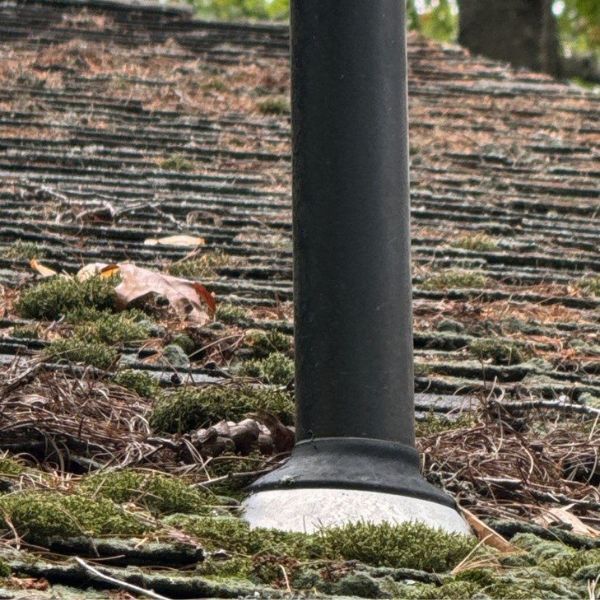
Falling tree limbs and debris, weighted by snow and ice or dislodged by winds, can puncture or scratch roofing, leading to leaks and structural problems in wooded Massachusetts areas.
Causes
- Overhanging branches burdened by heavy snow or ice.
- Strong winds knocking dead limbs onto the roof.
- Winter storms scattering debris across properties.
Prevention tips
- Trim branches at least 10 feet from the roof pre-winter.
- Remove dead trees or limbs proactively.
- Install protective guards if trees are close.
- Clear debris after every storm.
How to Handle and Fix
Remove fallen debris carefully to avoid further scratches; patch punctures temporarily and call pros for full repairs. In New England, where storms are common, quick action and insurance documentation can cover costs, preventing leaks from escalating.
How to Prepare Your Roof for Winter
Proactive steps make all the difference: Schedule annual inspections, clean gutters, improve insulation/ventilation, trim trees, and monitor weather forecasts. These measures can prevent most issues and extend your roof's life.
Key Takeaways
- Winter problems like ice dams and snow loads are common but preventable with early intervention.
- Ignoring signs can lead to major damage-act fast to save on repairs.
- Professional help is essential for safety and effectiveness, especially in harsh MA winters.
Frequently Asked Questions for Roofing Problems
What are the first signs of winter roof damage?
Look for icicles, interior stains, creaking sounds, or missing shingles after storms. Early checks can catch issues before they worsen.
Can I remove snow from my roof myself?
For light buildup, use a roof rake from the ground. Avoid climbing-hire professionals for heavy loads to prevent injury or further damage.
How often should I inspect my roof in winter?
At least once pre-season and after major storms. In snowy areas like New England, monthly checks during winter are ideal.
Do ice dams always cause leaks?
Not immediately, but they often lead to water backing up under shingles, causing leaks over time if not addressed.
What if my roof is flat- are winter problems worse?
Yes, flat roofs hold more snow and water, increasing load and leak risks. Regular snow removal and drainage checks are crucial.
How can I prevent condensation in my attic?
Ensure proper insulation and ventilation. Seal air leaks and add vents to maintain airflow and reduce moisture buildup.
Is insurance likely to cover winter roof damage?
Many policies cover storm-related issues, but document everything and contact your insurer promptly. Preventive maintenance helps claims.
Don't let winter catch you off guard-contact a trusted roofer today for a free inspection or quote. Call us at(508) 719-7631or fill out our contact form to get started!